
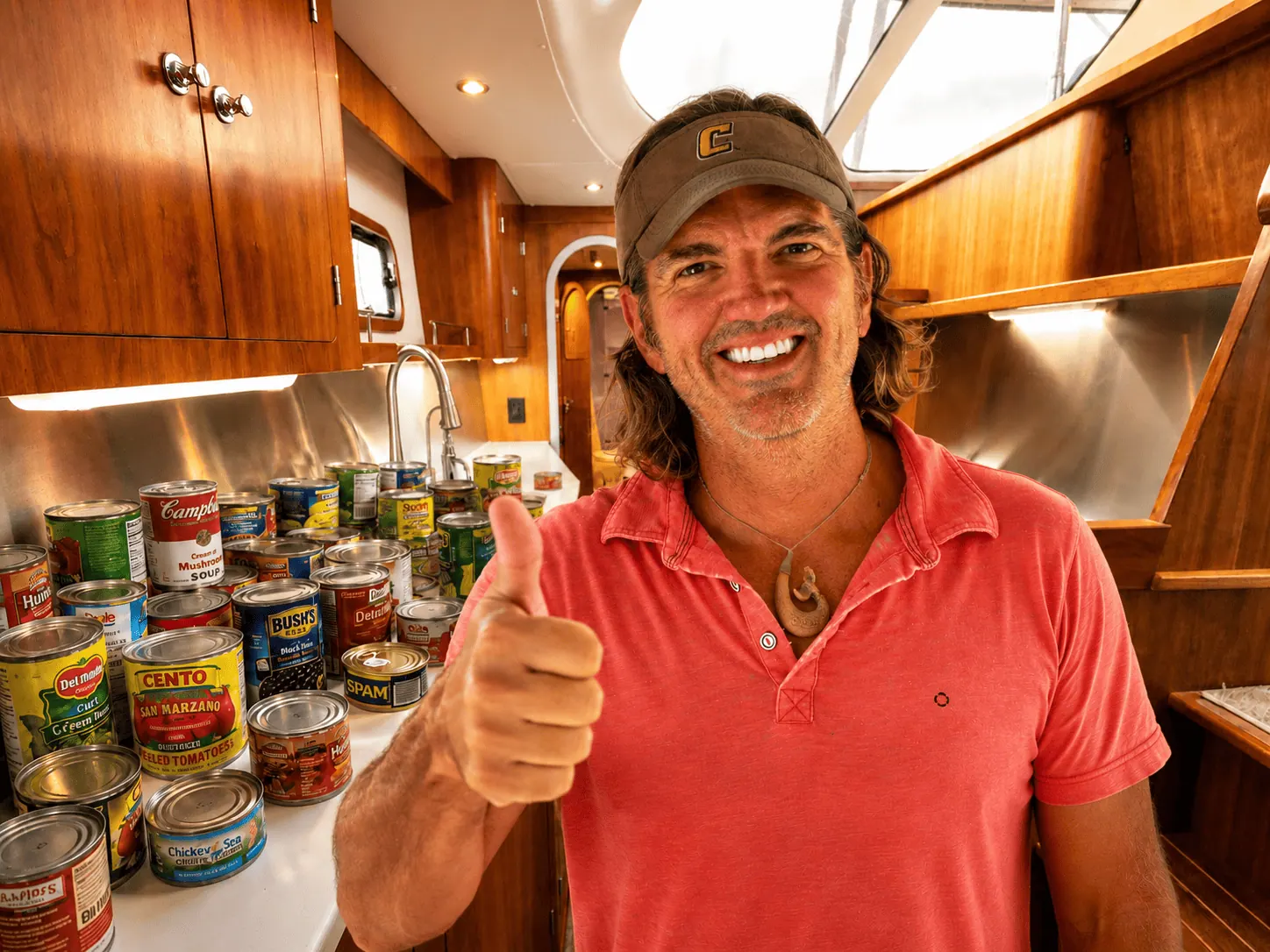
Provisioning is a passage-planning decision, not just a shopping list.
- The original provisioning guide is preserved below with its planning structure, links, and galley details.
- Use provisioning as part of passage readiness: storage, water, refrigeration, crew routines, and contingency meals all matter.
- The buyer question is whether the boat and crew routine support calm, repeatable offshore meals.
Captain’s Summary
- Provision from the passage math, then add reserve. A 21-day estimate is not a 21-day shopping list.
- Plan a few real meals, but build a pantry that can flex when weather, appetite, or refrigeration changes.
- Buy fresh food last, eat fragile food first, and keep an “eat first” basket where everyone can see it.
- Refrigeration is useful. It is not a personality trait. Carry no-fridge meals that still feel like dinner.
- Snacks belong in the watchkeeping plan, not buried under spare filters and optimism.
- Kids need familiar food, predictable treats, and simple handover snacks when the boat gets busy.
- Storage matters: remove cardboard, label everything, make a locker map, and keep daily food reachable.
Provisioning for an ocean passage is not a contest to see how much food can be wedged into a bluewater catamaran like the Antares 44. It is the quieter art of feeding the actual crew, on the actual boat, in the actual weather, when the nearest decent grocery aisle is a long way behind you.
The goal is not galley heroics. Most crews do not need a three-course dinner while the boat is lurching along under reefed main. They need food that is safe, familiar, easy to find, and possible to cook when the cook is tired, damp, and bargaining with a pot of rice.
Good passage provisioning answers plain questions before departure. How many people are aboard? How long might the trip really take? What can be cooked if the sea state is ugly? What happens if the freezer gives up? What will the kids eat without a committee meeting? Where are the crackers at 0300?
Solve those questions ashore and the passage gets easier. Ignore them and you may spend week three eating mystery tins while arguing about whether canned peaches count as breakfast.
Start with the passage math
Begin with the expected passage length. Then distrust it politely.
A 21-day passage should not be provisioned for 21 tidy days. Calms happen. Weather windows close. A conservative sail plan may add time. Gear can need attention. A diversion may be wise. The ocean has never felt bound by a spreadsheet.
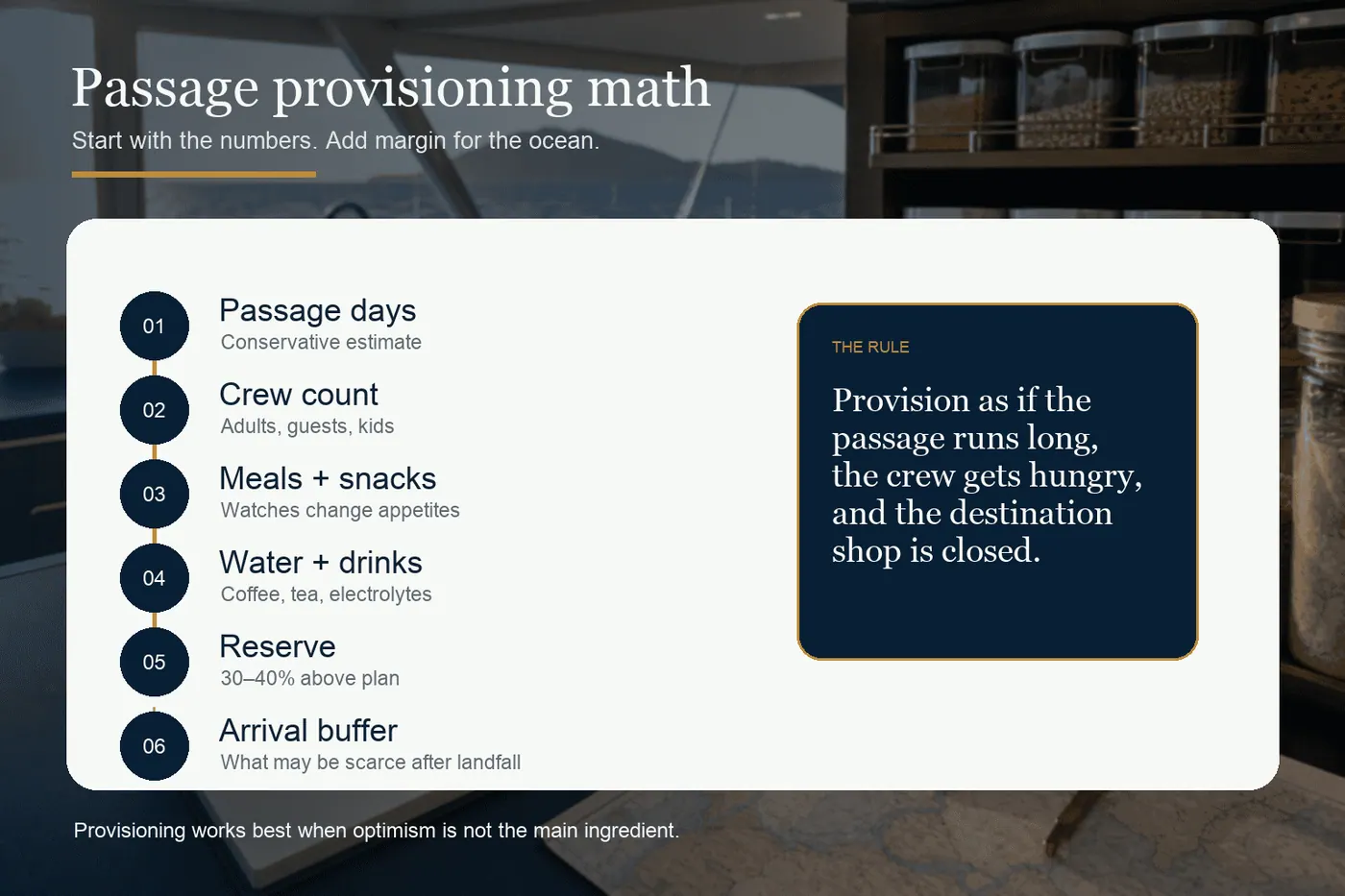
A workable calculation looks like this:
- Estimated passage days, using a conservative average speed
- Crew count, including guests and children
- Meals per day, plus watch snacks and drinks
- Several rough-weather meals that require little cooking
- No-refrigeration meals for backup
- Reserve food, often 30-40% above the expected need
- Post-landfall food if the destination has limited supplies
The reserve is not waste. It is margin for slow passages, seasick days, heavy weather, broken gear, and the strange way appetites change offshore.
The math also protects the crew from the classic provisioning arc: fresh-feast confidence in week one, freezer archaeology in week two, and beige regret in week three.
Use a meal plan and a pantry plan
There are two common provisioning styles.
Meal planners assign dinners, label freezer meals, and reduce the number of decisions offshore. Pantry planners load ingredients and improvise around weather, ripening produce, fish, leftovers, and crew mood.
Both methods are useful. Both can fail if treated like religion.
A meal plan helps when several people may cook, when children need routine, or when the first few days are expected to be bumpy. Pre-cooked chili, curry, soup, pasta sauce, and stew can save a tired crew.
A pantry plan matters because passages change. Someone gets seasick. The tomatoes ripen at once. The cook who planned lentils now wants toast and silence. Rice, beans, pasta, tortillas, tinned fish, coconut milk, spices, and durable vegetables can become many meals.
The best system is usually a mix. Plan the meals that matter: first-night dinner, rough-weather food, family favorites, freezer meals, and a few morale meals. Then carry a pantry broad enough to improvise.
Many offshore crews settle into breakfast or grazing, one main cooked meal, and steady snacks through the watch cycle. Other crews keep three meals because standards matter. Either is fine if it fits the boat and the people aboard.
Buy fresh food late and eat it in order
Fresh food is a pleasure offshore, but it comes with a timer. Buy dry goods, tins, and shelf-stable food first. Buy produce last. Inspect it before it comes aboard. Bruised fruit and damp onions are not provisions; they are scheduled maintenance.
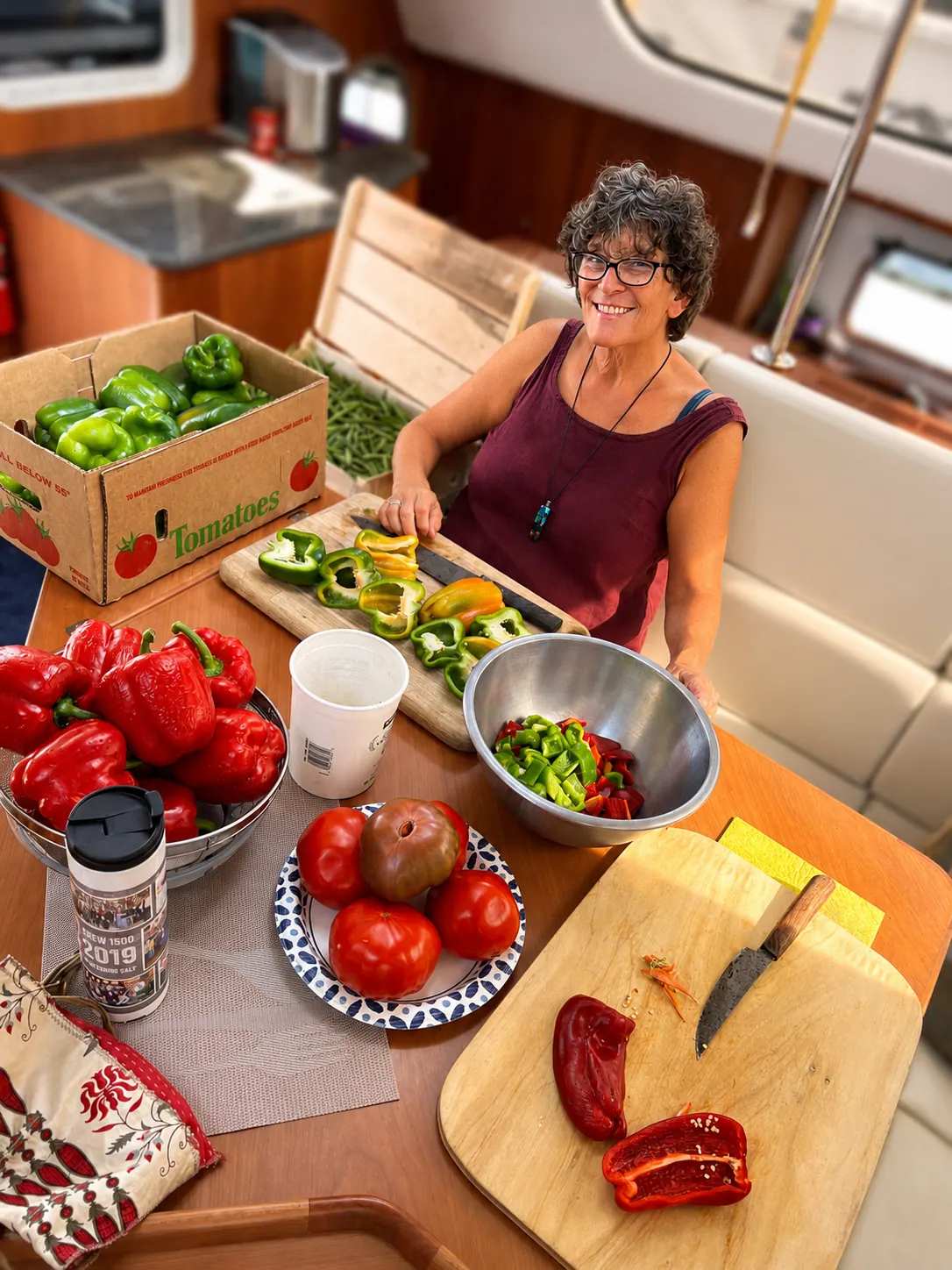
Durable produce usually earns its space:
- Cabbage
- Potatoes
- Onions and garlic
- Squash
- Carrots and beets
- Apples
- Oranges, lemons, and limes
- Hard green tomatoes for early use
Delicate food is for the first stretch. Leafy greens, herbs, berries, ripe fruit, soft tomatoes, avocados, and fresh bread should be enjoyed early and without guilt. Bananas deserve their own risk category. They start as fruit and quickly become an onboard ripening event.
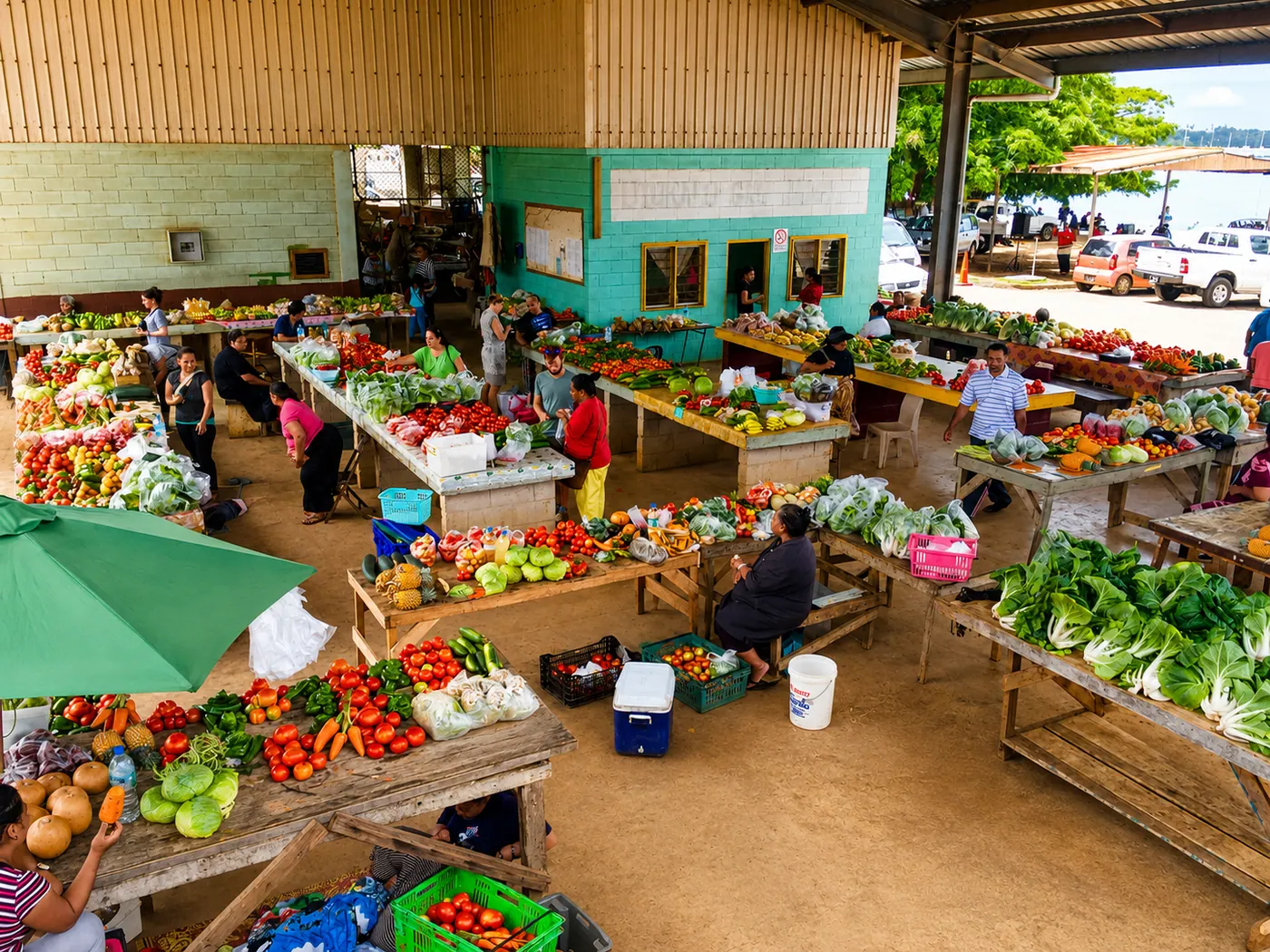
A simple order works well:
- 1. Fragile fresh food
- 2. Hardy produce
- 3. Frozen and refrigerated food
- 4. Canned and dried stores
- 5. Shelf-stable reserve meals
Stow fresh food with airflow and inspection in mind. Use baskets, mesh bags, hammocks, or ventilated bins. Keep root vegetables cool, dark, and dry. Separate ethylene producers from items that spoil quickly. Remove excess packaging. Check daily.
Keep an “eat first” basket visible. It prevents good food from becoming compost because everyone assumed someone else had a plan.
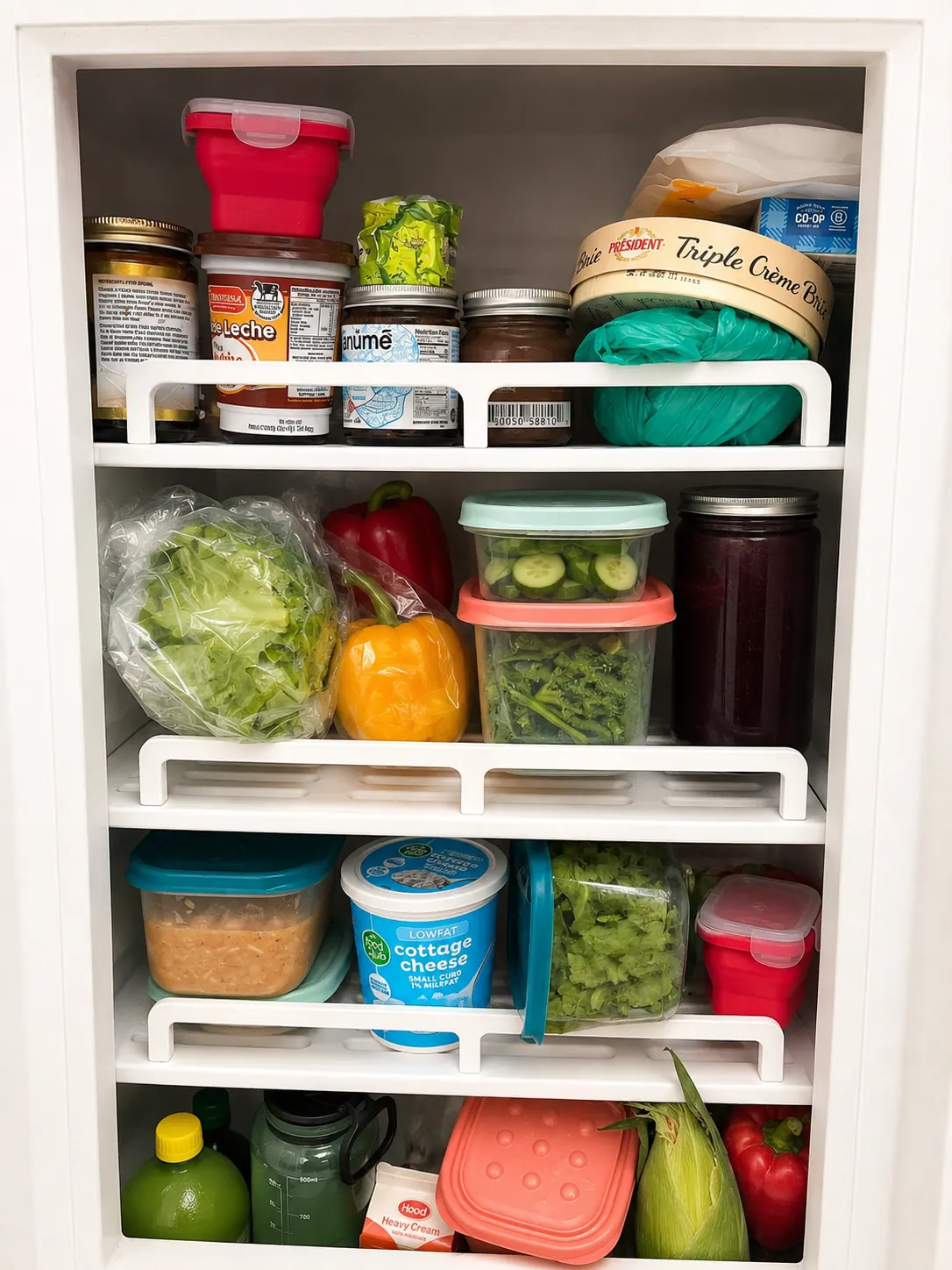
Use refrigeration, but do not trust the whole passage to it
Good refrigeration changes life offshore. It allows fresh proteins, pre-cooked meals, cold drinks, dairy, and more variety. On a long-range cruising catamaran like the Antares 44 Hybrid, useful cold storage is part of comfortable bluewater living.
The Antares galley and storage layout can make this practical: meal-sized proteins, organized freezer meals, fresh produce, and enough space to separate daily food from reserve stores. That matters. A freezer is much less useful if every dinner requires unloading half the locker while the boat is moving.
Use cold storage with discipline:
- Pre-cook and freeze several meals.
- Label food and dates.
- Vacuum seal proteins in meal-sized portions.
- Keep a freezer list where cooks can see it.
- Group food by priority: early passage, rough weather, family favorites, reserve meals.
- Know what must be eaten first if the system fails.
Then make sure dinner still exists without refrigeration.
Reliable no-fridge meals include pasta with tinned sauce and tuna, rice and beans, couscous with chickpeas and canned vegetables, lentil soup, instant noodles with added protein, oats, pancakes, flatbreads, tortilla wraps, tinned fish with crackers, and freeze-dried meals for true backup.
If the refrigeration behaves, wonderful. If it does not, the crew should still eat something better than emergency peanuts and resentment.
Treat snacks as watchkeeping gear
Snacks are not extras. Offshore, they are part of the watch system.
Night watches need easy calories. Seasick crew need bland food within reach. Children need predictable options. Tired adults need food they can eat without cooking, balancing a saucepan, or waking the off-watch.
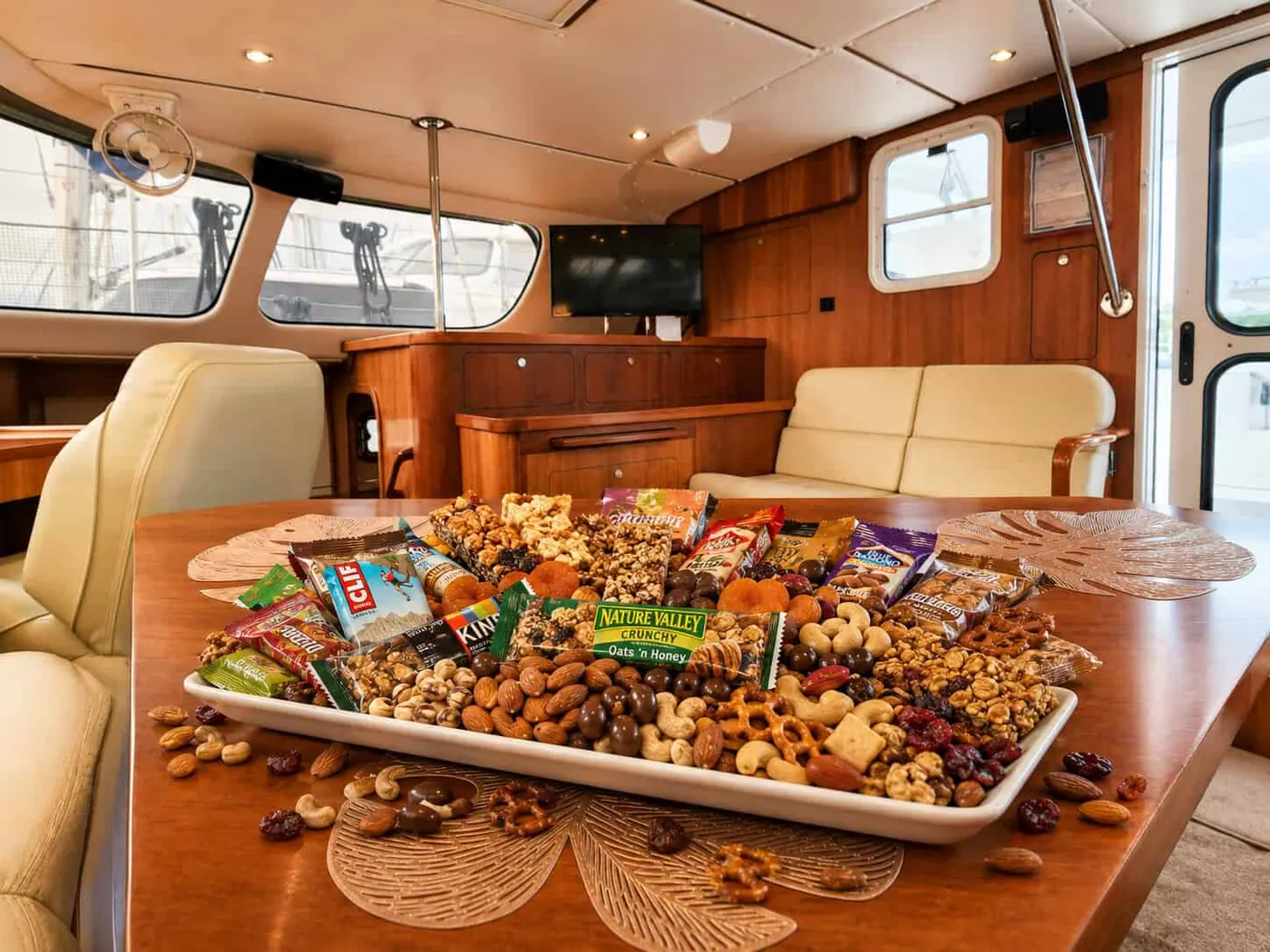
Create snack zones that everyone understands:
- Night-watch snacks
- Bland seasick food
- Kid grab bags
- Protein snacks
- Salty snacks
- Sweet morale snacks
- Electrolytes and drink mixes
- Halfway treats or “do not open yet” bags
Useful passage snacks include crackers, granola bars, nuts, dried fruit, jerky, rice cakes, peanut butter, trail mix, ginger chews, instant soup, applesauce pouches, popcorn, chocolate, hard candy, and whatever your crew already eats on long days.
Do not store all of it deep. A person on the 0300 watch should not have to locate spare impellers before finding a granola bar. Keep a small watch box stocked and visible. Refill it from the reserve rather than letting the entire boat graze through three weeks of snacks in four heroic days.
Provision for the children you have
Family provisioning is not adult provisioning scaled down. Children do not become adventurous eaters because land has disappeared. If a child refuses quinoa at anchor, a seaway will not improve the negotiation.
Start with foods they already eat. Then add variety where it is likely to work.
A family passage plan needs four layers:
- Nutrition: enough steady food to keep everyone functioning
- Predictability: familiar breakfasts, snacks, and comfort meals
- Safety: handover food for maneuvers, repairs, squalls, or parental overload
- Morale: rituals that make the passage feel like life, not endurance training
Reliable family foods often include oats, cereal, pancakes, muffins, long-life milk, peanut butter, tortillas, crackers, pasta, noodles, rice bowls, mild curries, quesadillas, applesauce pouches, dried fruit, granola bars, simple soups, pizza components, baking mixes, electrolytes, ginger chews, and plain rice for queasy days.
Kid snack bags are practical. They help during anchoring, sail changes, repairs, squalls, and any moment when adults need children safe, seated, and not lobbying for cereal.
If the children are old enough, put them in the system. They can label bins, count snack bags, update the “eat first” basket, choose halfway treats, and research what food is available after landfall.
Plan a few rituals: pancake morning, pizza night, muffins after rough weather, a halfway treat, a landfall breakfast. These are small things. Offshore, small things carry weight.
Repackage, label, and map the lockers
Packaging wastes space and invites trouble. Cardboard takes room, holds moisture, creates trash, and may bring pests aboard. Remove it before stowing when possible. If labels may fall off tins, write the contents on top with permanent marker. Mystery cans are funny only until dinner depends on them.
Before departure:
- Remove cardboard and excess packaging.
- Decant dry goods into airtight containers or vacuum-sealed portions.
- Label contents and cooking instructions.
- Store heavy items low and secure.
- Keep daily-use food easy to reach.
- Put reserve stores deeper, but record where they are.
- Build a simple locker map.
- Use bins by category: breakfast, baking, pasta, rice, snacks, emergency meals, kid food, spices.
- Inspect storage areas for moisture, pests, and sharp edges.
Keep the inventory system simple enough to survive contact with tired humans. A perfect spreadsheet abandoned on day four is not an inventory.
A workable setup might be one master list, labels on lockers, a visible “open now” bin, a reserve list taped inside a galley cabinet, and a pencil tied nearby.
Cook for the sea state
Every passage begins with imaginary cooking. Fresh salads. Bread every third day. A stew that fills the cockpit with confidence.
Enjoy that phase. Then provision for the other version: tired cook, rolling galley, damp foul-weather gear, one burner, minimal chopping, secure pots, and food that can be eaten from bowls.
Strong underway meals include:
- Pre-cooked stews, curries, chili, pasta sauce, and soups
- One-pot rice, pasta, couscous, or lentil dishes
- Pressure-cooker meals that save fuel and attention
- Wraps and quesadillas
- Oats, pancakes, eggs, or breakfast-for-dinner meals
- Heat-and-eat freezer meals
- No-cook plates for rough weather
Pre-cooking before departure is a gift to your future self. Portion meals for the actual crew size. A frozen block of chili the size of a dinghy anchor looks efficient until you need half of it.
Also plan around watches. Bowl food, leftovers, and flexible serving times often work better than formal dinners. You are not giving up civilization. You are making dinner possible while civilization is tilted.
Research the destination before you shop
Provisioning includes the place you are going. Before loading the boat, find out what is easy to buy, what is scarce, what is expensive, and what customs rules apply to produce, meat, seeds, dairy, and other food.
This matters in remote cruising areas. Local food may be excellent and plentiful. Familiar items may disappear for months. Families should pay special attention to formula, baby supplies, medications, allergy-safe food, favorite snacks, school supplies, and foods tied to sensory needs.
Do not fill the boat with items you can easily buy after arrival. Do carry the things that affect health, comfort, and morale when availability is uncertain. “They probably sell it there” is a sentence best tested before landfall.
Treat fishing as a bonus
Fishing is wonderful. A fresh mahi dinner can lift the whole boat. But fish is a gift. Dinner is a responsibility.
Do not count on fishing for core calories. The fish may not bite. The weather may be wrong. The crew may be too tired. The fish may arrive when no one wants to clean it. The only catch may be a lure wrapped around a problem.
Provision as if no fish will appear. Then carry a fish kit so luck can become dinner: tortillas, rice, limes or bottled lime juice, soy sauce, hot sauce, mayo, curry paste, coconut milk, pickled onions, slaw ingredients, and the seasonings your crew likes.
Why the galley layout matters
A bluewater galley is not judged at the dock. It is judged when someone is tired, the boat is moving, and dinner needs to happen without drama.
Good design helps: safe movement, handholds, practical work surfaces, sensible refrigeration access, organized storage, ventilation, secure spaces for heavy stores, and a layout that lets the cook stay connected to the boat.
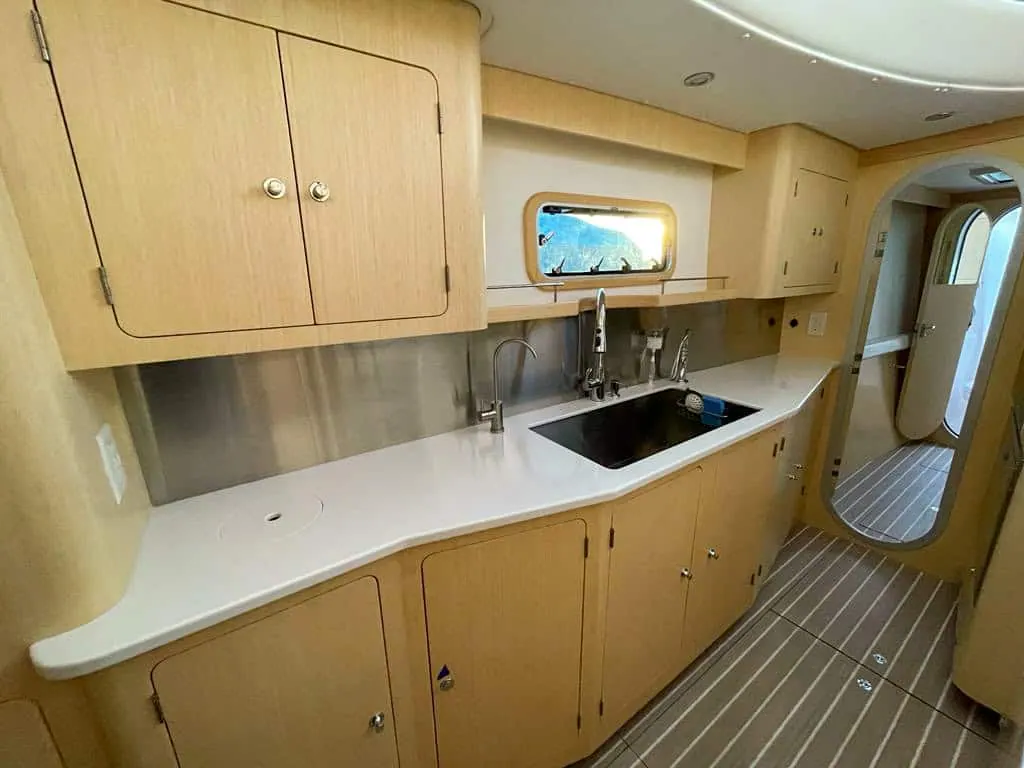
Catamaran space is useful, but space alone is not a provisioning strategy. More volume lets a crew carry more food. It can also let a crew carry more badly organized food. The advantage comes when storage, refrigeration, and galley workflow support the way the crew actually lives.
That is where an Antares can make passage life easier. The boat gives owners a real galley, meaningful storage, accessible cold space, and room to build a system. It does not do the thinking for you. It does make good thinking easier to live with.
FAQ
How much extra food should I carry for an ocean passage?
Many cruisers carry roughly 30-40% more food than the expected passage requires, or at least several extra days of shelf-stable meals. The right reserve depends on route, season, crew size, destination, and how much no-refrigeration food is aboard.
Should I meal-plan every day offshore?
No. Plan the meals that reduce stress: first-night food, rough-weather meals, freezer meals, family favorites, and a few morale meals. Then carry a flexible pantry so the cook can adjust to weather, appetite, seasickness, and fresh food that needs attention.
What foods last well on passage?
Useful long-passage staples include rice, pasta, oats, flour, beans, lentils, canned fish, canned tomatoes, coconut milk, oils, spices, crackers, tortillas, cabbage, potatoes, onions, garlic, carrots, squash, apples, and citrus.
What should I feed kids on a long passage?
Start with foods they already eat: familiar breakfasts, snack bags, pasta, rice bowls, quesadillas, pancakes, crackers, peanut butter, fruit pouches, mild soups, and comfort treats. A passage is not the time to introduce a new food identity.
Can fishing reduce provisioning needs?
Treat fishing as a bonus. Carry ingredients that make fresh fish useful, but provision as if no fish will arrive. The ocean is generous on its own schedule.
Sources and further reading
Useful starting points for final linking and Mark review:
- NOFOREIGNLAND: “12 Tips for Provisioning for an Offshore Passage”
https://blog.noforeignland.com/12-tips-for-provisioning-for-an-offshore-passage/
- Travel Sketch Sailing: meal planning, no-refrigeration passage meals, and fresh produce storage
https://www.travelsketchsailing.com/post/meal-planning-for-an-ocean-crossing https://www.travelsketchsailing.com/post/30-meals-for-passage-that-don-t-need-refrigeration https://www.travelsketchsailing.com/post/how-to-store-fresh-produce-on-a-boat-for-weeks
- World Cruising Club: Atlantic crossing provisioning
https://worldcruising.com/articles/las-palmas-provisioning
- SpinSheet: “Sailing on Long Passages With Family”
https://www.spinsheet.com/sailing-long-passages-family
- Yachting World: “Bluewater sailing with young children”
https://www.yachtingworld.com/special-reports/bluewater-sailing-with-young-children-137167
Final note
Provisioning well is not about making the boat sit lower in the water. It is about knowing what is aboard, why it is aboard, when it should be eaten, and who will be happiest when it appears.
Plan carefully. Store simply. Feed morale. And never trust bananas with the schedule.
Planning your own bluewater catamaran?
If this kind of passage planning matters to you, spend a few minutes with the Antares 44 layout and model details. The unglamorous parts of a cruising catamaran, from galley workflow to storage access, matter most once the dock is well behind you.