Structure first
Hull, deck, bulkheads, joinery, and load paths are treated as the foundation of offshore confidence — including the details owners may hear before they ever see.
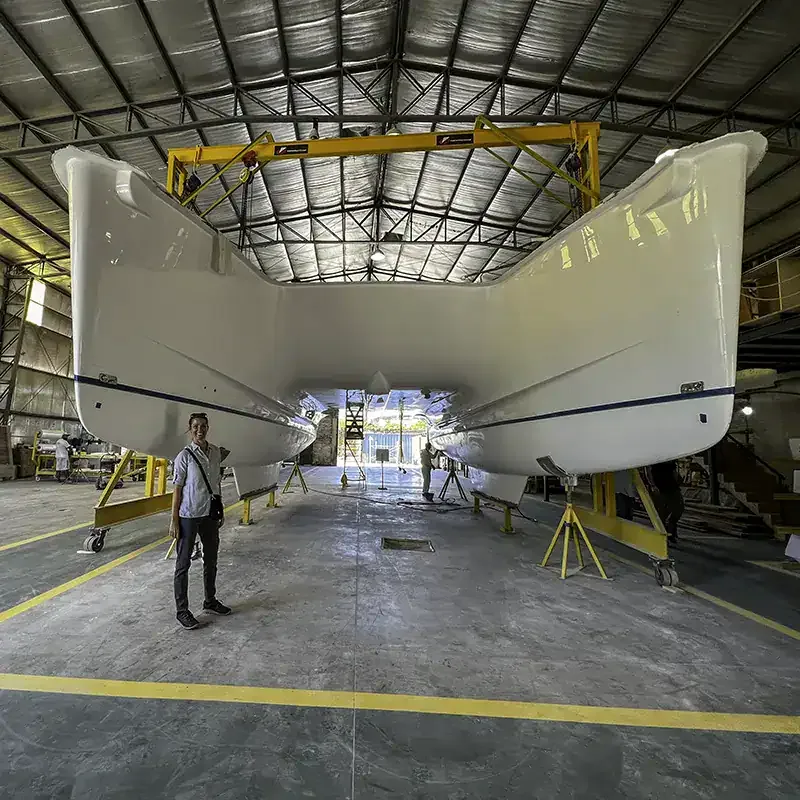
Antares is built for the way owners actually live offshore: strong where it matters, practical to service, quiet underway, and finished with handcrafted details that make life aboard feel settled and comfortable.
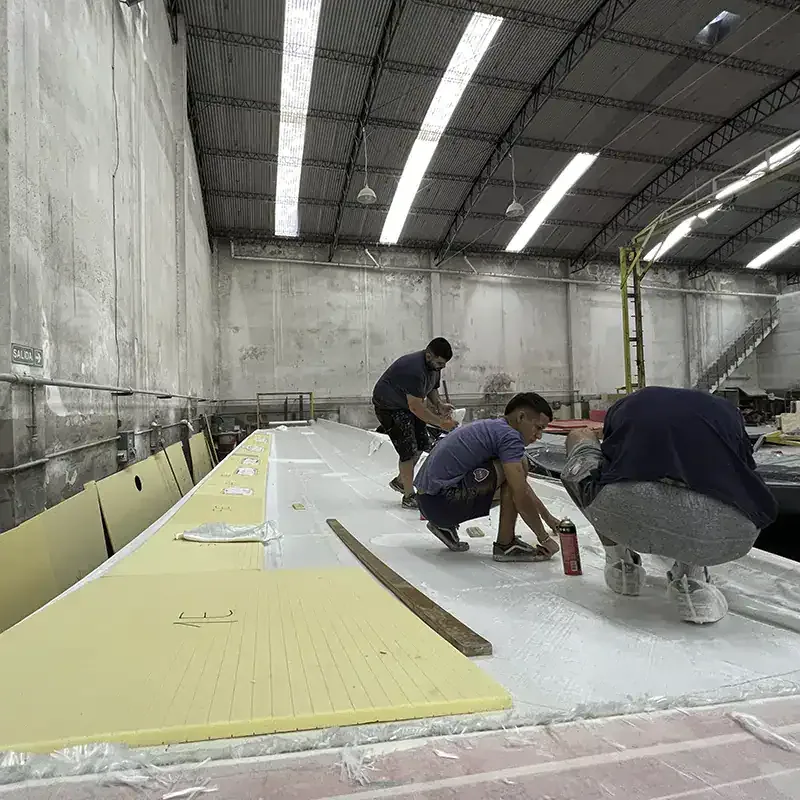
Antares catamarans use vacuum-infused, CoreCell-cored composite construction, integrated structural bulkheads, and joinery that is glued, screwed, and glassed in place. Together, those choices support a stiff, quieter platform while keeping steering, engines, and electrical systems accessible for inspection and service.
Some of the most important choices are hidden after launch. Buyers may not see that work at first glance, but they can hear the result underway: fewer squeaks and rattles, and a quieter, more composed boat in heavy seas.
Hull, deck, bulkheads, joinery, and load paths are treated as the foundation of offshore confidence — including the details owners may hear before they ever see.
Engine access, wiring organization, steering components, and documentation matter because real cruising includes inspection, maintenance, and support.
The interior is warm and handcrafted, but lockers, panels, and cabinetry are also built to stay composed when the boat is moving offshore.
Vacuum infusion, core selection, structural bulkheads, and mast-load engineering are part of the same conversation: how the platform handles cruising loads, weather, movement, and years of use.
Controlled resin flow supports consistent laminate quality, weight discipline, and repeatable hull structure.
CoreCell core materials and layup schedules are selected to balance stiffness, insulation, weight, and long-term durability.
Structural bulkheads distribute load and connect the platform into one bluewater cruising system.
Rig loads are considered as part of the boat’s structure, not as an afterthought added above deck.
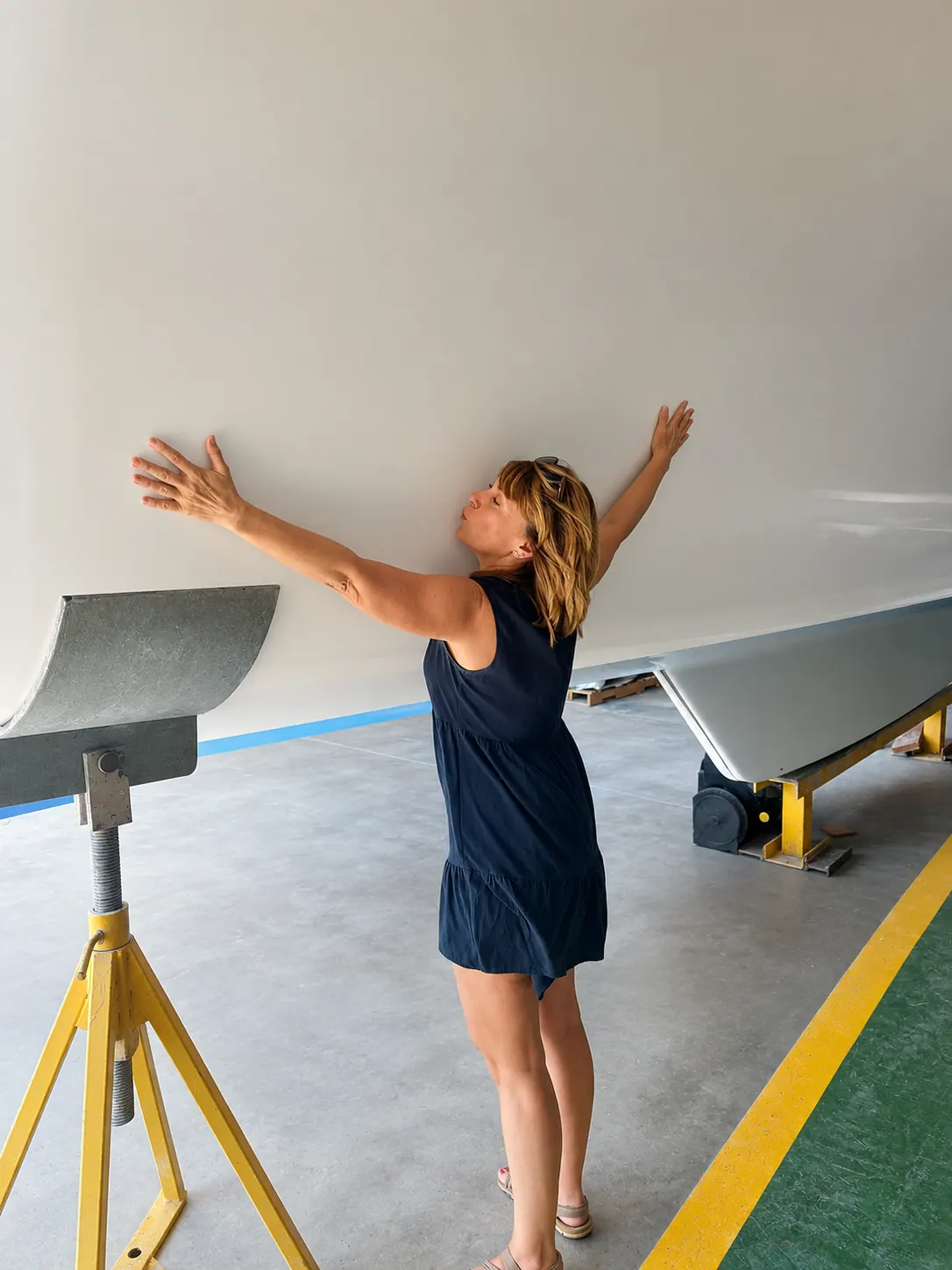
Buyers do not need a factory lecture. They need to understand the practical result: a boat designed for offshore movement, service access, load paths, protection, and long-term ownership clarity.
Buyer confidence: You should not need an engineering degree to understand why a boat feels right offshore. Ask how the structure is built, how loads are carried, and how critical areas can be inspected. The answers should be clear at the dock — and confirmed when the boat is underway.
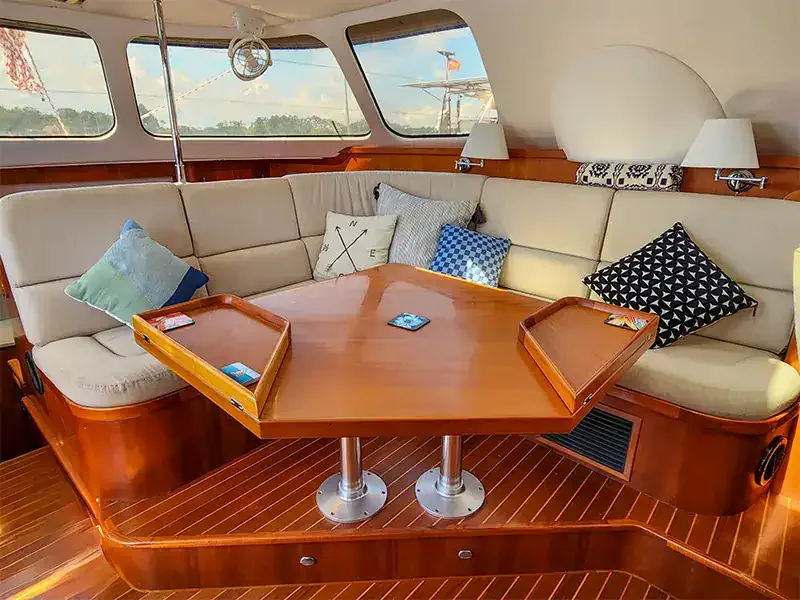
Antares interiors use handcrafted cherry joinery and practical liveaboard details because comfort at sea is not only soft goods and styling. Cabinets, lockers, and joinery are glued, screwed, and glassed in place so they become part of the structure, not loose furniture installed after the fact.
That construction work shows up underway: fewer squeaks and rattles, a quieter cabin in heavy seas, and the kind of settled feel that gives owners confidence during offshore movement.
Explore life aboardClick any photo to expand · 3 craftsmanship views
Steering, engine placement, deck installation, and electrical organization are construction choices owners feel underway and appreciate during service. They shape how the boat handles, balances, protects key gear, and stays understandable when access matters.
Antares uses a Jefa rack-and-pinion steering system designed for precise helm response, clean mechanical linkage, and reliable control from either helm. It is a system detail worth asking about before comparing boats.
Engine placement and shaft-drive geometry support balance, access, and long-range serviceability. The point is not just propulsion — it is a mechanical layout an owner or technician can understand and inspect.
Deck installation, walkways, and structure are handled as safety and movement decisions, not cosmetic assembly. These choices affect stiffness, access, drainage, and how the boat feels when loaded and underway.
Clear wiring, labeling, and access reduce confusion when owners need answers at anchor, underway, or during service. Offshore electrical confidence starts with systems that can be traced and understood.
Construction details help buyers ask better questions.
A better build should be obvious underway — quieter, easier to understand, and easier to service.
Continue with the systems that make the build standard practical offshore: the protected helm and shaft-drive layout.