Drivetrain access
Shafts, couplings, shaft seals, bearings, and alignment can be checked, adjusted, and serviced by any competent marine engineer — no brand-specific knowledge required.
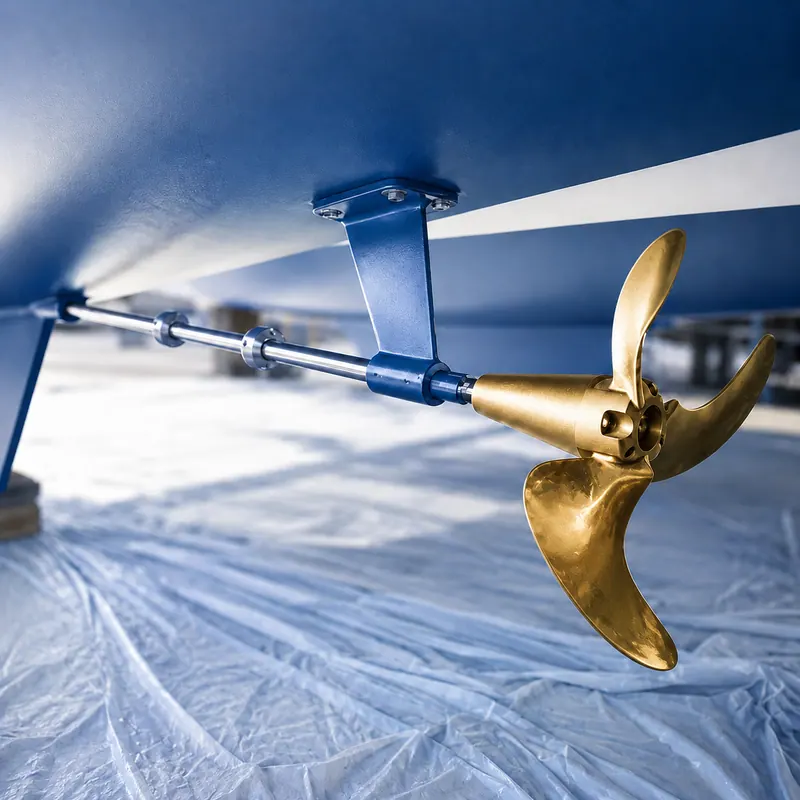
Antares uses shaft drives because they produce a propulsion layout that is practical to inspect, maintain, and service — including in the remote ports and anchorages where long-range cruising happens.
A shaft drive keeps the engine, coupling, shaft seal, and most drivetrain components inside the boat, while a saildrive adds an underwater leg with brand-specific gear, corrosion, seal, and haul-out requirements. Neither system is maintenance-free. Antares chooses conventional shaft drives because owners and competent marine engineers can inspect and service more of the drivetrain without depending on one brand’s service network. For long-range cruising, that can mean fewer specialized service events and fewer forced haul-outs.
I was able to service a leaking shaft seal in the Solomon Islands without hauling the boat. Otherwise, I would have had to sail to Australia for a proper haulout.
— Antares 44 owner
Shafts, couplings, shaft seals, bearings, and alignment can be checked, adjusted, and serviced by any competent marine engineer — no brand-specific knowledge required.
A shaft-drive installation avoids the underwater leg, lower housing, and diaphragm or seal assembly that a sail-drive requires below the waterline.
Conventional shafts, couplings, bearings, seals, and alignment are familiar to competent marine mechanics in cruising regions around the world.
This video covers the practical differences between sail-drive and shaft-drive propulsion on catamarans — service access, underwater components, galvanic considerations, and the maintenance implications of each. It is a useful reference before asking further questions about propulsion on any specific model.
Both drivetrain types carry manufacturer inspection and replacement schedules for their water barriers. The OEM documents are the reference:
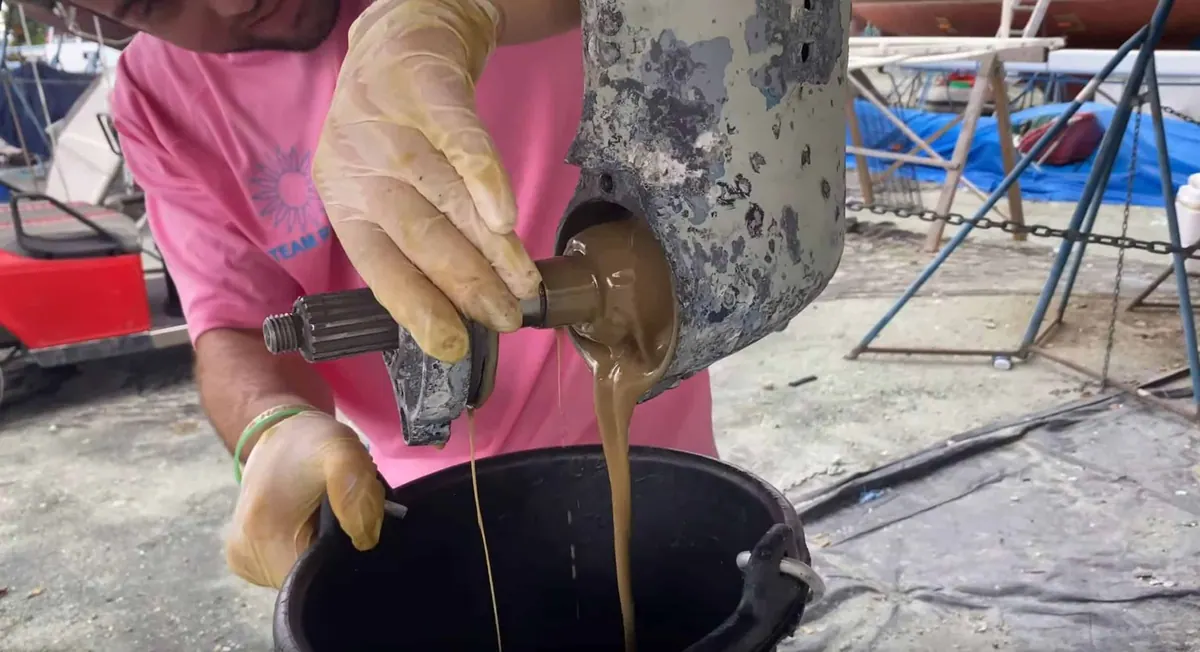
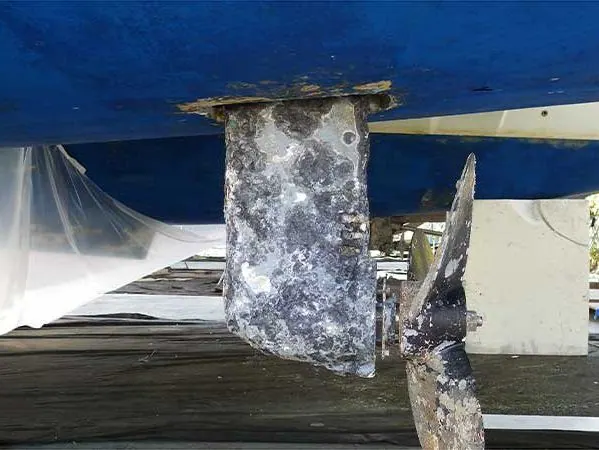
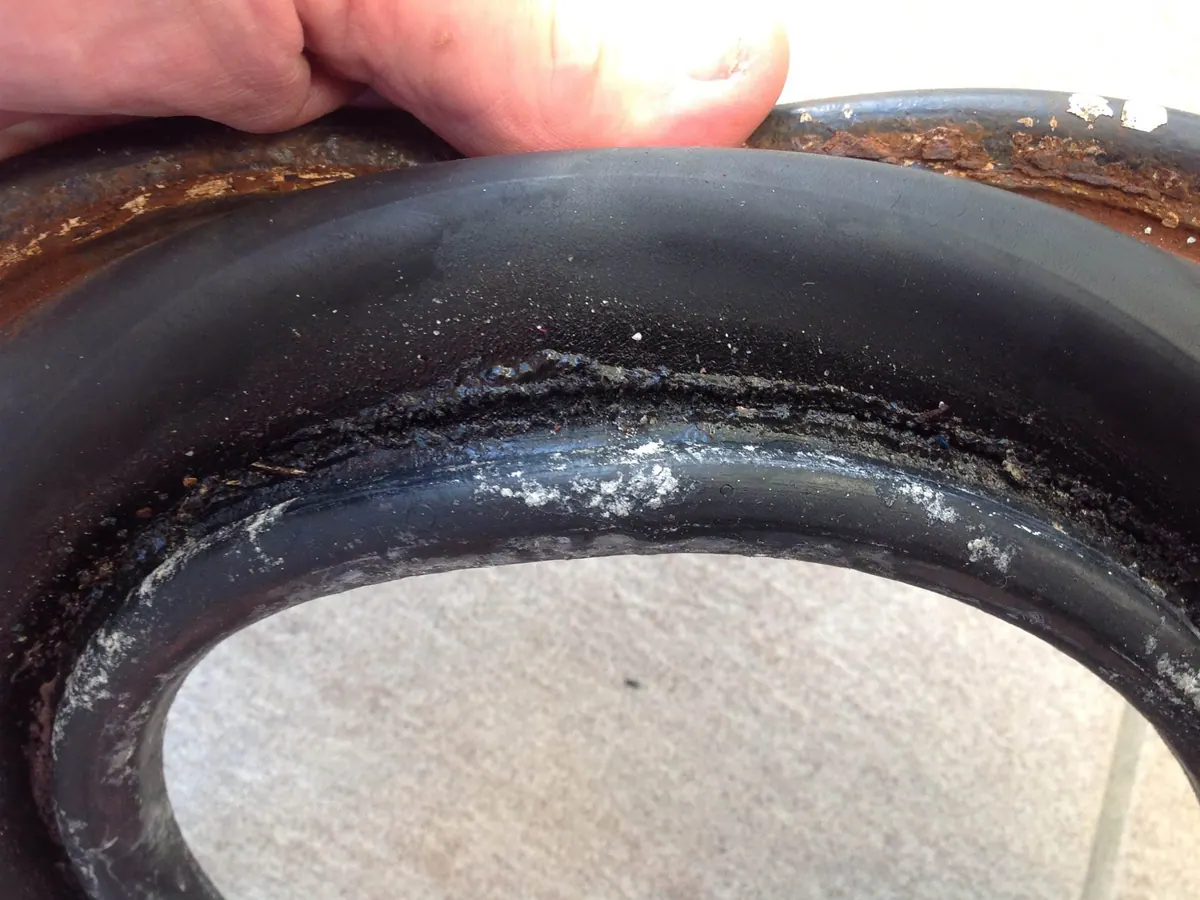
These images show shaft-drive components alongside sail-drive service and maintenance realities. The difference in underwater componentry and service access is easier to read from photographs than from description alone.
These questions apply regardless of which system a builder uses. The answers reveal whether the propulsion choice fits how and where you actually plan to cruise.
Use these questions to frame a more useful conversation about the Antares 44, Antares 46, and the way you plan to cruise.
No universal answer applies. Antares chooses shaft drives because they fit its priorities around serviceability, underwater exposure management, and long-range ownership. Buyers should evaluate both systems against how and where they plan to cruise.
Ask about underwater housing and diaphragm or seal service intervals, galvanic protection, corrosion monitoring, haulout requirements, and parts and technical support availability in the regions on your cruising plan.
Propeller selection, rudder geometry, hull form, and engine placement all shape handling. Antares frames shaft drives as part of the whole-boat design — the propulsion geometry connects to how the boat tracks, responds, and maneuvers.
Ask about shaft-seal access, cutlass-bearing inspection, haul-out assumptions, spares, and the service support available along your cruising plan.