
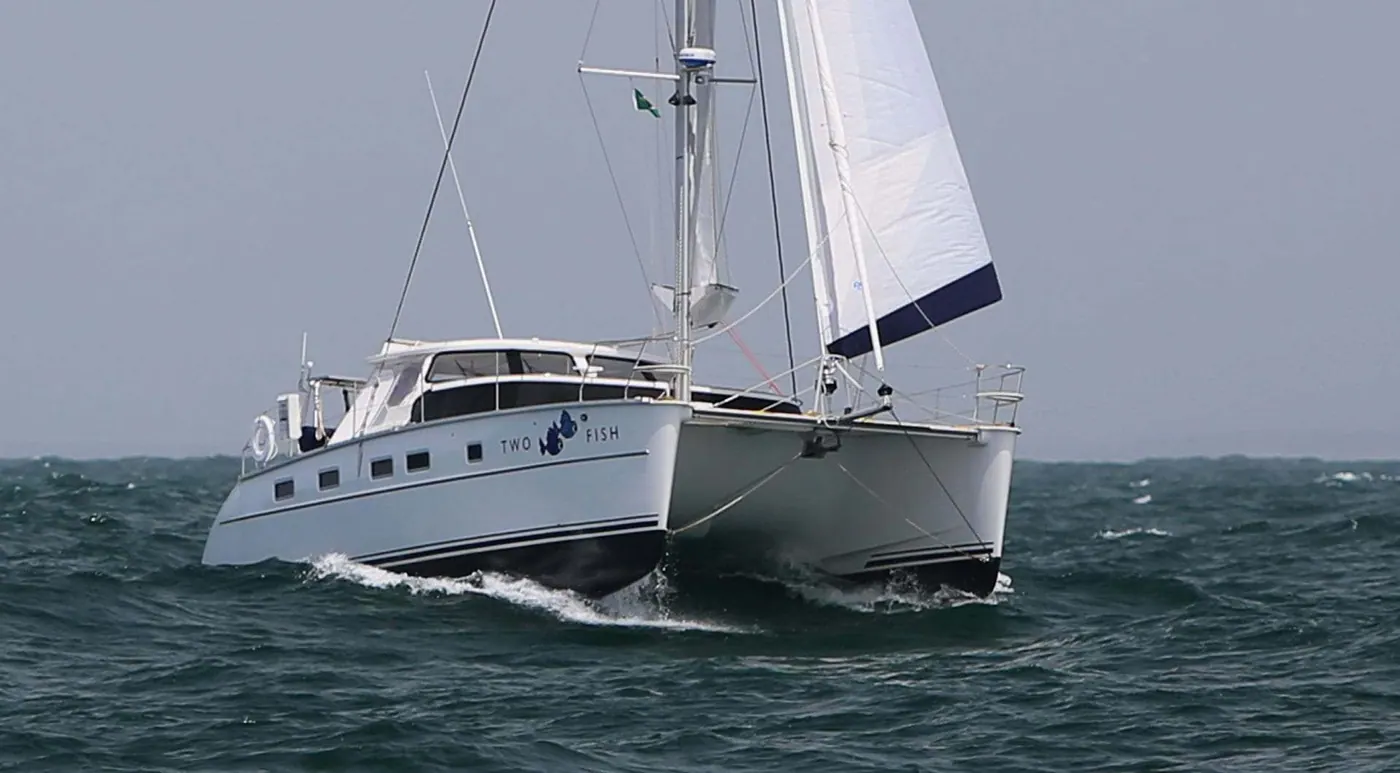
A strong passage plan joins route, weather, watch rhythm, maintenance, provisioning, and crew readiness.
- The original passage-planning article is preserved below with its captain-led preparation structure.
- The buyer value is the operating mindset: plan the boat, the crew, the route, and the handoffs before conditions demand it.
- Use the article to discuss training, weather windows, watchkeeping, provisioning, spares, and departure readiness.
The Captain’s Summary: True blue water independence requires more than just a capable vessel; it demands a shift in mindset from coastal hopping to strategic offshore command. By combining the inherent safety of the Antares design with rigorous passage planning, you ensure that your transition from near-shore cruising to crossing oceans is not just safe, but enjoyable.
- Rallies serve a purpose: They are excellent for forcing strict preparation timelines, though true independence allows for better weather windows.
- Redundancy is king: From isolating water tanks to backing up electronic charts, never rely on a single point of failure.
- Data drives decisions: Utilize modern polars and weather routing software like PredictWind, but handicap them for real-world sea states.
- Comfort equals safety: Proper meal planning and watch schedules reduce fatigue, which is the number one enemy of the offshore sailor.
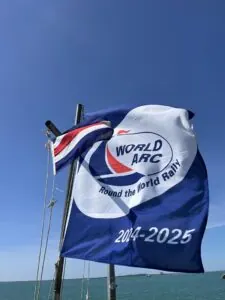 For many new owners, moving from coastal cruising to offshore sailing can feel overwhelming. Coastal cruising is less than 50 nautical miles, while offshore sailing is over 200 nautical miles. This often leads to the question: Should we join a rally?
There is a distinct advantage for the uninitiated: Preparation rigor. Rallies enforce strict safety checklists and equipment audits that can accelerate your learning curve. The social aspect and the “safety in numbers” philosophy provide peace of mind during your first major crossing, such as the Atlantic or the run to the Caribbean.
However, the experienced captain knows that the ultimate luxury is schedule independence. Rallies operate on fixed dates, which can sometimes pressure a fleet to leave in marginal weather. Once you have confidence in your vessel, setting your own departure based on a pristine weather window often results in a more comfortable, less breakage-prone passage. Modern weather routing has evolved from simple forecasts to complex data modeling. The best choice for full-time liveaboards is PredictWind. It works especially well with satellite connections like Iridium GO! or Starlink.
To maximize accuracy, you must utilize your boat’s polars (performance data). However, Captain’s Logic dictates conservatism: handicap your theoretical polars by 20% to 40%. A loaded liveaboard catamaran in a confusing sea state will not hit the same speeds as a light ship in flat water. Accurate planning ensures you arrive in daylight and manage fuel consumption effectively.
The Human Element
While software is powerful, there is still a place for professional weather routers. For complex dynamic systems—such as crossing the ITCZ (Intertropical Convergence Zone) or departing New Zealand for the tropics—hiring a seasoned meteorologist can provide bespoke advice and an added layer of safety surveillance.
On an Antares, you are equipped with tankage that dwarfs many production competitors, but water and fuel management remain critical disciplines. A prudent strategy for water management involves tank isolation.
The Antares Advantage: Unlike boats that drain a central supply, you should keep your port or starboard water tank isolated and 100% full while drawing solely from the other. This creates a fail-safe reserve. If a plumbing leak occurs or a crew member leaves a faucet running, you haven’t lost your entire fresh water supply. Run your watermaker to top off the active tank, keeping the reserve strictly for emergencies.
Regarding fuel, standard operating procedure involves calculating your range with a significant safety buffer. Plan for the unexpected—long days of motoring through the Doldrums require ample displacement speed capability.
Provisioning for Sea State
The galley is the heart of morale, but cooking in 15-foot seas is vastly different than cooking at anchor. The Antares galley is designed with bracing points and secure storage, but preparation is key.
- Pre-cook meals: Vacuum seal and freeze hearty meals (stews, curries) that can be heated in a single pot.
- Simplify Breakfast and Lunch: Crew should be able to self-serve during the day.
- The Community Meal: Aim for one hot, communal meal per day. It boosts morale and ensures eyes are on each crew member to check for fatigue or seasickness.
Watch Schedules and Night Operations
Fatigue causes errors. The US Navy studies on sleep rhythms suggest that consistency is vital. Whether you choose a 3-hours on / 9-hours off rotation or a standard 4-hour watch, stick to the rhythm so the body adjusts.
Night Sailing Protocol
Night sailing on an Antares offers a distinct advantage: The Glass Windshield. Unlike exposed helms where fatigue sets in rapidly due to wind and spray, the Antares helm keeps you dry, warm, and alert behind safety glass.
However, maintain strict protocols:
- Cockpit Discipline: If leaving the protected cockpit, you must be tethered to jacklines and wearing a PFD.
- Lighting: Use spreader lights when making sail changes. Preserving night vision is important, but seeing a fouled line or a crew member on deck takes precedence.
- Radar Watch: In coastal waters, set radar ranges low (1nm) to pick up unlit fishing boats or fish attraction devices (FADs). Offshore, toggle between weather and traffic modes.
Pre-Departure Safety Drills
Before lines are cast off, safety must be more than a checklist—it must be a muscle memory. Conduct physical Man Overboard (MOB) drills. Do not just talk about it; throw a fender overboard. Practice stopping the vessel, furling the genoa immediately to depower, and maneuvering for recovery.
Ensure every soul on board, including children, understands the fire suppression systems and emergency egress routes. Confidence comes from competence, and competence comes from practice.
Conclusion
Passage planning is the bridge between a dream and a successful landfall. By leveraging the superior livability and systems of your Antares, and applying a disciplined, conservative approach to logistics, you unlock the true potential of blue water cruising. The ocean is vast, but with the right preparation, your world becomes limitless.