
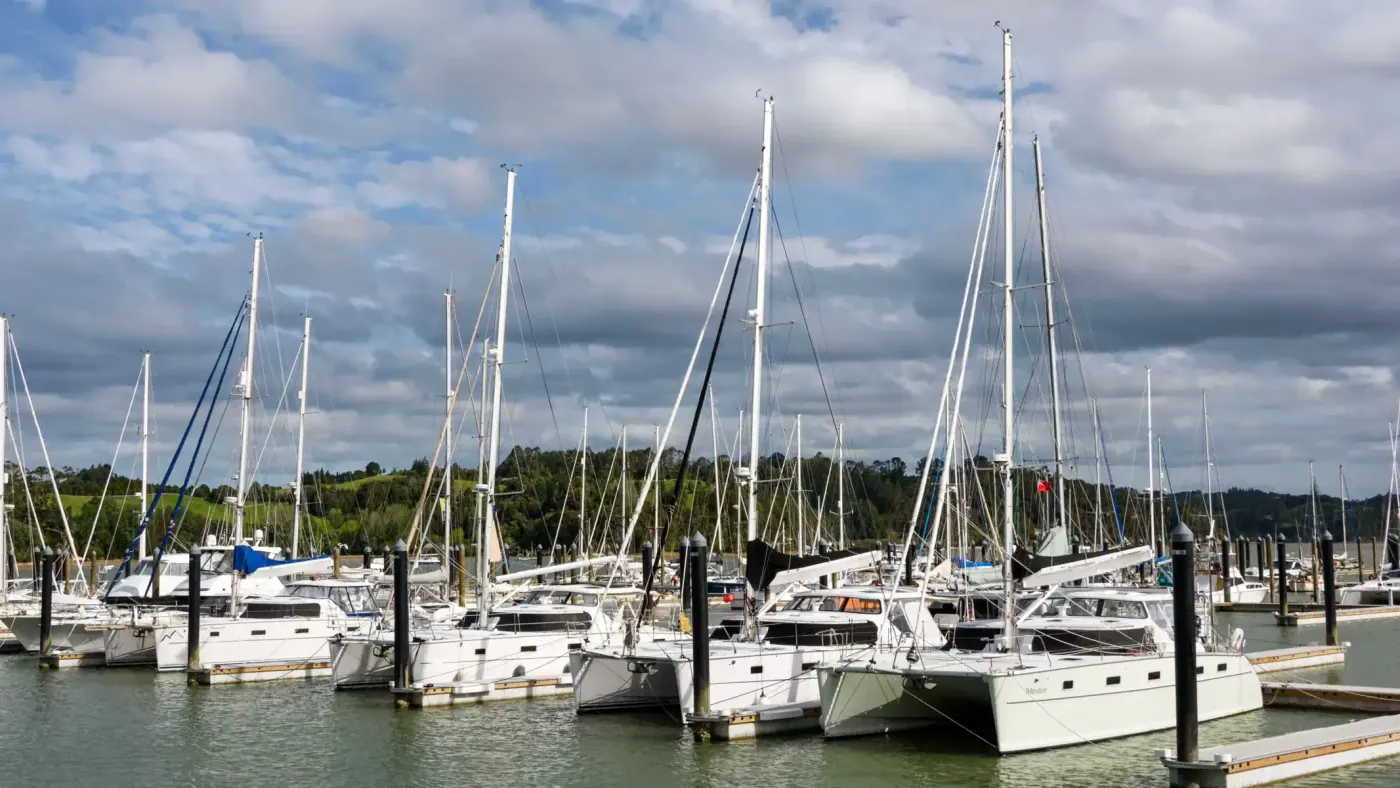
Leaving the dock works better when skills, systems, budget, provisioning, and expectations are staged before departure.
- The original liveaboard-transition guide is preserved below with its preparation, planning, and readiness structure.
- A successful move aboard is not one decision. It is a sequence of practical choices around crew, boat, timing, finances, and routines.
- Use the guide to decide what needs to be learned, bought, tested, simplified, or postponed before departure.
Transitioning from a land-based career to a life at sea requires more than just acquiring a vessel; it requires a fundamental shift in mindset and the right blue water liveaboard catamaran. Below, seasoned Antares owners break down the logistics of leaving the dock, proving that with the right vessel and preparation, the transition from CEO of the boardroom to Captain of the ship is a calculated, achievable goal.
- The “Slow is Pro” Methodology: Successful transition relies on incremental exposure to sea states, not immediate ocean crossings.
- Vessel Confidence: A purpose-built vessel compensates for novice errors, prioritizing safety in heavy weather.
- System Independence: Owner-maintenance is critical; Antares provides industry-leading schematics to facilitate self-sufficiency.
- The Partnership Dynamic: Defining roles (Captain, Navigator, Chef) is essential for cohesive shorthanded sailing.
The biggest barrier for luxury buyers is not money, but fear—especially fear of the unknown. The consensus among veteran Antares owners is that the “jump” is actually a series of calculated steps.
You do not need to be a lifelong sailor to command a 44-foot vessel. Owners Alan and Elizabeth moved from a 40-foot monohull to an Antares. They realized that comfort is a safety feature. Their strategy was incremental: start with day trips, graduate to single overnights, and only then attempt multi-day passages.
This approach minimizes stress on the crew and the vessel. The Antares Advantage here is the vessel’s forgiving nature. The Antares is different from performance boats. It does not need constant trimming to stay safe. It has a high bridge deck clearance and a larger displacement. This allows the boat to handle changing conditions comfortably while the crew acclimatizes to the environment. For the aspiring liveaboard, the primary concern is often: “What happens if the weather turns while I am sleeping?”
Jason, an Antares owner who began as a self-described novice, notes that the vessel is designed to look after the crew. In 20 knots of wind, you can reef the mainsail, set the autopilot, and the boat will track true.
“You can say, ‘Wake me up if it gets to 20 knots,’ and we’ll put a reef in. The boat will just take care of herself.” — Jason, Antares Owner
This stability is paramount. Unlike charter catamarans that can feel flighty in a squall with exposed helms, the Antares is built with conservative sail plans and protected helms. This ensures that even if you make a handling error, the vessel’s inherent stability and robust construction provide a wide margin of error. A luxury liveaboard is a floating city, containing power generation, water desalination, and propulsion systems. The fear of mechanical failure is valid, but manageable through proper resource allocation.
The distinction between a weekend cruiser and a true world cruiser lies in the access to systems. Russell, an owner who transitioned from a production catamaran, highlights a critical differentiator: Schematics.
Production boats often hide wiring and plumbing behind glued liners, making troubleshooting a nightmare. Antares provides owners with comprehensive, architectural-grade electrical and plumbing diagrams. This transparency allows owners to:
1. Diagnose issues faster.
2. Perform preventative maintenance without destroying the interior.
3. Save significant capital on boatyard labor costs.
Whether you are good with technology or prefer to hire someone, having the factory-level documents is important. This way, any technician, anywhere in the world, can service the vessel correctly.
Antares Catamarans has also partnered with MaintenanceROS to provide our customers with pre-configured templates for boat maintenance.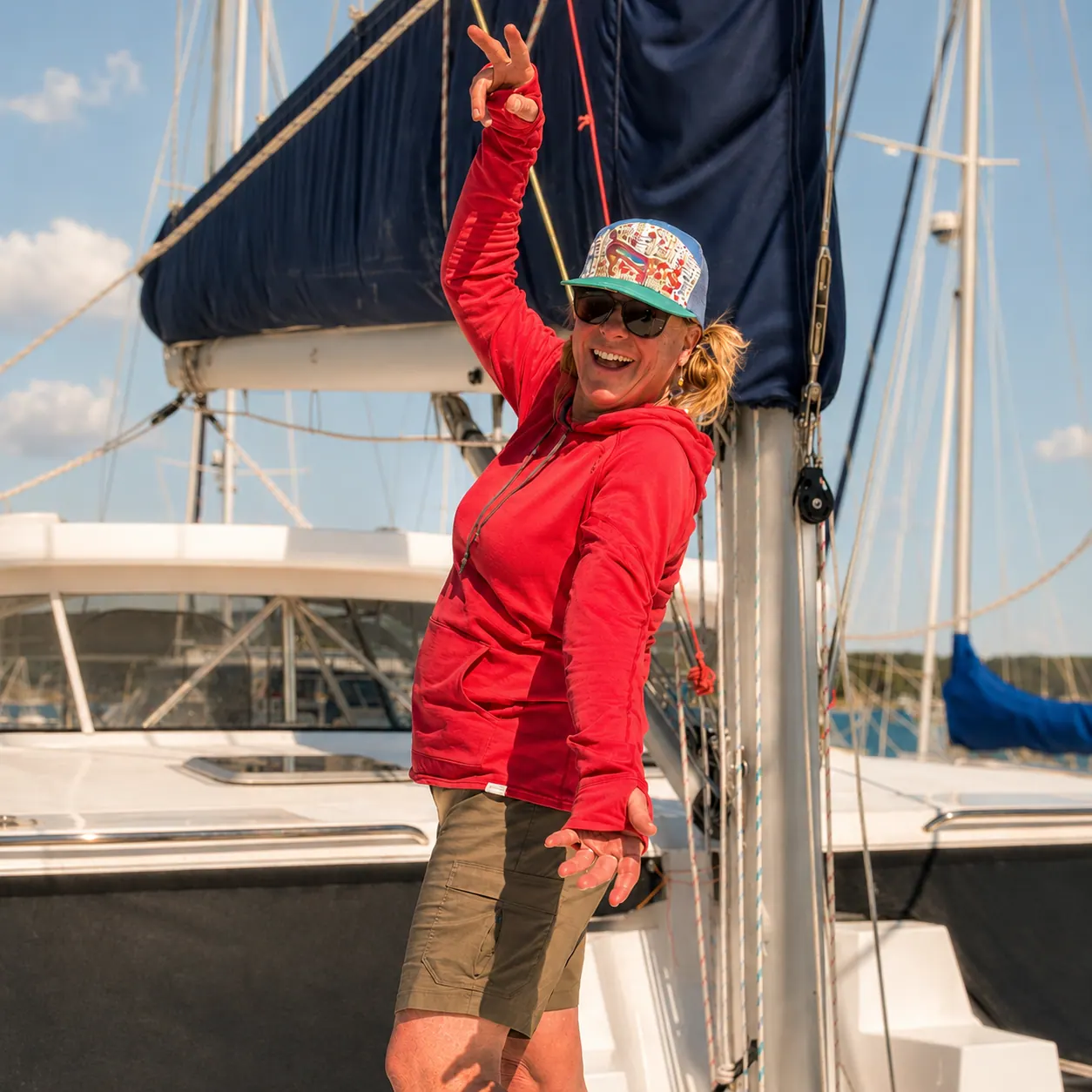
We recognize that purchasing the boat is only the first step. To mitigate the learning curve, Antares emphasizes a handover process that goes beyond a simple walkthrough.
Owners of new or used Antares are encouraged to attend Antares University, which offers a complimentary two-day course covering the boat systems and docking procedures for Antares Catamarans.
New owners, taking delivery in Argentina, are encouraged to spend time—often up to two weeks—with factory representatives or experienced captains. This includes:
Docking Drills: Mastering twin-engine maneuvering.
System Audits: Running the watermaker, generator, and HVAC systems under load.
Rigging Checks: Understanding load paths and reefing points.
As owner Mark noted, hiring a training captain for the initial coastal passages is an investment in asset protection. It accelerates confidence, transforming the “fear of docking and sailing a new boat” into a routine procedure. To leave the dock effectively, your vessel must support long-term autonomy. The Antares is spec’d to minimize dependency on marinas.
| Feature | The Antares Spec | The Liveaboard Benefit |
|---|---|---|
| Tankage (Fuel) | 150 Gallons (approx) | Extended range for crossing the ITCZ or motoring through calm patches without anxiety. |
| Tankage (Water) | 120 Gallons + Watermaker | True independence; no need to rely on questionable shore water supplies. |
| Draft | 4′ 0″ | A shallow draft allows entry into protected anchorages unavailable to deep-keel monohulls. |
| Rudders | Skeg-Hung | Critical impact protection for rudders, preventing catastrophic steering loss upon striking debris. |
| Propulsion | Shaft Drive | Superior to saildrives, designed for low-maintenance, long-term cruising |
| Windshield | Glass (with Wipers) | Superior visibility and safety at the helm compared to exposed canvas enclosures. |
Leaving the dock is not about abandoning responsibility; it is about embracing a new kind of discipline. It requires a vessel that is engineered for the task and a captain willing to learn the systems.
The stories from our owners confirm that whether you are a racer or a complete novice, the Antares platform provides the safety, stability, and technical support required to turn a five-year plan into a daily reality.